
Waynesboro Brush Removal Services
Choose our brush removal services for fast, thorough clearing that enhances safety, boosts curb appeal, and prepares your property for any project—handled by local experts you can trust.
Get a Free QuoteOur Waynesboro Landscaping & Yard Care Services
When to Schedule Brush Removal in Waynesboro, Georgia – Seasonal Guide
In Waynesboro, Georgia, timing your brush removal is essential for maintaining a healthy and attractive landscape. The best periods for this service are typically late winter through early spring and again in late fall, when vegetation is less dense and local weather conditions are most favorable. Waynesboro’s climate features mild winters and hot, humid summers, so scheduling brush removal before the growing season begins or after it ends helps prevent overgrowth and reduces the risk of pest infestations.
Local factors such as the proximity to Brier Creek, the shaded lots in the Burkehaven neighborhood, and the sandy loam soils common around Liberty Street all play a role in determining the optimal time for brush clearing. Homeowners should also consider the region’s average last frost date in early March and the increased drought risk during late summer. For more information on local environmental guidelines, visit the official municipal resource.
Local Factors to Consider for Brush Removal in Waynesboro
- Tree density and type of vegetation on your property
- Terrain challenges, such as slopes near Magnolia Acres or low-lying areas prone to flooding
- Seasonal precipitation patterns and humidity levels
- Municipal restrictions or scheduled community clean-up events
- Soil type and drainage, especially in neighborhoods near Jones Lake
Benefits of Brush Removal in Waynesboro

Enhanced Curb Appeal
Improved Property Safety
Prevention of Pest Infestations
Increased Usable Outdoor Space
Healthier Landscape Growth
Efficient and Reliable Service
Waynesboro Brush Removal Types

Manual Brush Clearing
Removal of brush and overgrowth using hand tools for precise landscaping.
-
Mechanical Brush Removal
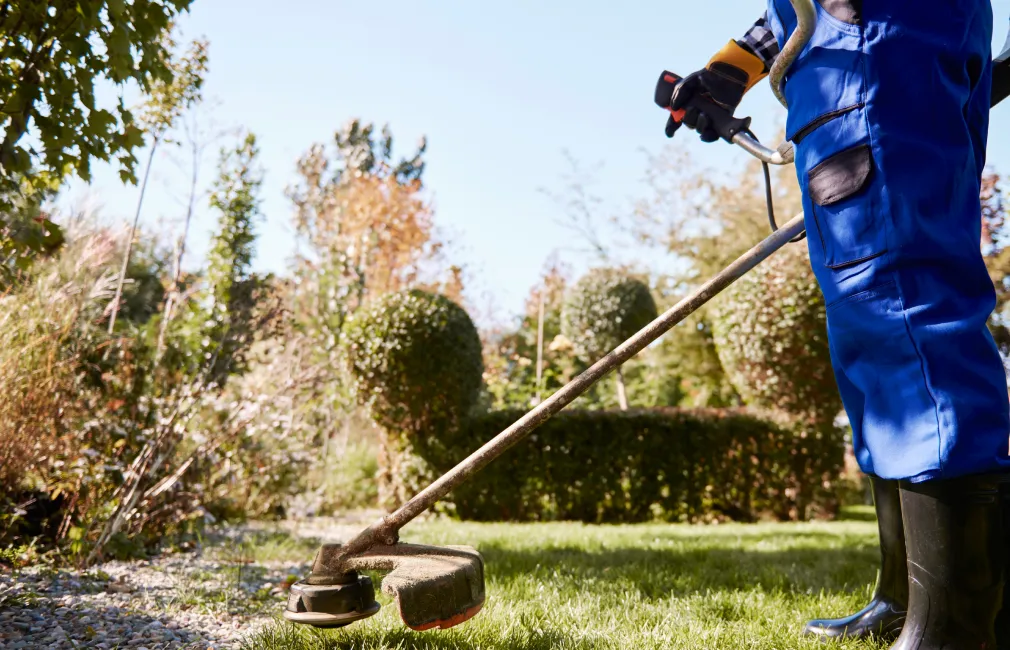
Utilizing machinery to efficiently clear large areas of dense brush.
-
Selective Brush Removal
Targeted clearing to preserve desired plants and improve landscape aesthetics.
-
Brush Mulching
Converting brush into mulch to enrich soil and prevent erosion.
-
Brush Hauling and Disposal
Safe removal and eco-friendly disposal of cleared brush and debris.
-
Invasive Species Removal
Eliminating non-native plants to restore natural landscape balance.
-
Firebreak Creation
Clearing brush to establish defensible space and reduce wildfire risk.
Our Brush Removal Process
Site Evaluation
Safety Preparation
Brush Clearing
Debris Removal
Final Inspection
Why Choose Waynesboro Landscape Services

Waynesboro Homeowners Trust Us
-
Comprehensive Lawn Maintenance
-
Reliable Seasonal Cleanups
-
Expert Tree and Shrub Care
-
Efficient Irrigation Solutions
-
Competitive Pricing
-
Professional and Courteous Team
-
Satisfaction Guarantee
Waynesboro's Public Works Coordination for Brush Disposal and Curbside Placement
Proper brush disposal in Waynesboro requires coordination with the city's sanitation and public works operations. The Waynesboro Public Works Department oversees infrastructure maintenance, drainage systems, and sanitation services, which includes managing vegetative debris generated by residential and commercial properties. Before placing brush at the curb, property owners should confirm current collection schedules and bundling requirements directly with the department. General best practices for curbside brush placement in Waynesboro include:
- Cutting limbs to manageable lengths, typically four feet or shorter, and bundling with biodegradable twine
- Separating brush from household trash and recyclables
- Keeping piles clear of storm drains, drainage ditches, fire hydrants, and mailboxes
- Avoiding placement that obstructs sidewalks, roadways, or sight lines at intersections
Verify current pickup schedules and any seasonal volume limits with Public Works before large-scale brush removal projects.
Waynesboro Public Works Department
600 Myrick Street, Waynesboro, GA 30830
Phone: (706) 554-2159
Official Website: Waynesboro Public Works Department
How Waynesboro Code Enforcement Addresses Overgrown Brush and Nuisance Vegetation
Accumulated brush and overgrown vegetation on private property can trigger code enforcement action in Waynesboro. The city's Code Enforcement division enforces ordinances related to property maintenance, unsafe conditions, and nuisance properties. Brush that encroaches on public rights-of-way, blocks drainage infrastructure, or creates fire and pest harborage risks may result in violation notices. Property owners and managers should be aware of the following compliance considerations:
- Overgrown lots with dense brush accumulation may be cited as nuisance properties under city ordinance
- Vegetation obstructing sidewalks, utility easements, or roadway sight triangles may require immediate clearing
- Failure to address violations within the specified compliance period can result in municipal abatement and associated costs
- Vacant and rental properties are subject to the same maintenance standards as owner-occupied parcels
Proactive brush removal on a seasonal basis—particularly in late winter and again after summer storm activity—helps property owners avoid enforcement actions and maintain compliance with Waynesboro's community standards.
Waynesboro Code Enforcement
600 Myrick Street, Waynesboro, GA 30830
Phone: (706) 554-2159
Official Website: Waynesboro Code Enforcement
Protecting Brier Creek Tributaries and Waynesboro Drainage Systems During Brush Clearing
Waynesboro sits within the Brier Creek watershed in Burke County, and several small tributaries and drainage corridors run through and around the city. Brush removal activities near these waterways require careful attention to erosion control and sediment prevention. The Georgia EPD Watershed Protection Branch and federal Clean Water Act provisions establish protections for streams and wetlands that apply even to routine land-clearing work. Key environmental precautions during brush removal in Waynesboro include:
- Maintaining vegetative buffers of at least 25 feet along stream banks and drainage channels wherever possible
- Avoiding stockpiling cut brush or debris within floodplain areas or near stormwater inlets
- Installing silt fencing or erosion barriers when clearing brush on slopes that drain toward waterways
- Never pushing or dumping brush into ditches, creeks, or stormwater conveyances, as blockages increase flood risk
Waynesboro's sandy Coastal Plain soils—predominantly from the Norfolk, Orangeburg, and Dothan series according to the USDA Web Soil Survey—are prone to erosion when vegetative cover is removed, making prompt stabilization after brush clearing essential.
Seasonal Timing and Invasive Species Considerations for Brush Removal in Waynesboro
Waynesboro falls within USDA Hardiness Zone 8b, as confirmed by the USDA Plant Hardiness Zone Map, with a long warm season that extends from late March through early November. This extended growing period means brush regrowth is aggressive, and timing removal work strategically can reduce the frequency of repeat clearing. Optimal windows for brush removal in the Waynesboro area include:
- Late January through early March: Deciduous brush is dormant, visibility is maximized, and ground conditions are typically firm enough for equipment access
- Late October through December: Growth has slowed, and clearing before winter reduces fire fuel loads
- Post-storm periods (June–September): Tropical and convective storms frequently deposit broken limbs and downed vegetation requiring prompt removal
Property owners should also watch for invasive species during brush clearing. UGA Cooperative Extension identifies Chinese privet, kudzu, Japanese honeysuckle, and autumn olive as common invasive brush species in the eastern Georgia Coastal Plain. Simply cutting these species without treating stumps or root systems often results in rapid resprouting. The Georgia Forestry Commission provides guidance on managing invasive woody vegetation and can advise on approved herbicide treatments for cut-stump applications.
Georgia Forestry Commission
Phone: (800) 428-7337
Official Website: Georgia Forestry Commission
Safety Standards and Equipment Precautions for Brush Work Near Waynesboro Infrastructure
Brush removal in Waynesboro frequently involves work near overhead utility lines, roadway shoulders, drainage ditches, and residential structures. Professional and property-owner-conducted brush clearing must account for these hazards. The following safety standards apply:
- Maintain a minimum clearance of 10 feet from overhead power lines; contact Georgia Power or the local utility provider before clearing brush near electrical infrastructure
- Use appropriate personal protective equipment (PPE) including eye protection, hearing protection, cut-resistant gloves, and chainsaw chaps when operating power equipment
- Avoid operating chainsaws, chippers, or brush cutters near public roadways without traffic control measures such as cones or signage
- Confirm the location of underground utilities by calling Georgia 811 (dial 811) at least 48 hours before any ground-disturbing brush removal or stump grinding work
- During Waynesboro's high-heat months (June through September), schedule intensive brush work for early morning hours to reduce heat-related illness risk
The Waynesboro Fire Department should be notified in advance if brush removal involves any controlled burning, as open burning within city limits may require a permit and must comply with Georgia EPD air quality regulations.
What Neighborhoods Do We Serve Throughout Waynesboro, GA?
- Downtown Waynesboro / Liberty Street Corridor: Older residential lots with mature hardwoods and dense understory brush. Narrow lot lines and proximity to structures require careful equipment selection and debris staging during brush removal.
- Burke County Industrial Park Area (North Waynesboro): Properties along the northern city boundary often border wooded tracts and drainage corridors where brush encroachment from adjacent undeveloped land is common.
- Southside / GA Highway 24 Corridor: Mixed residential and commercial parcels with roadside brush accumulation along drainage ditches. Sight-line maintenance near highway intersections is a frequent concern.
- Waynesboro City Park Vicinity: Residential neighborhoods adjacent to Waynesboro City Park feature wooded edges and creek-adjacent lots where brush clearing must account for stormwater flow and buffer preservation.
- East Waynesboro / Perimeter Road Area: Newer subdivisions and transitional lots where cleared agricultural land borders residential development, creating brush management needs along fence lines and property boundaries.
- West Waynesboro / Old Louisville Road: Rural-residential properties with larger lots, pine stands, and understory growth requiring periodic brush clearing to maintain access, reduce wildfire fuel loads, and control invasive species encroachment.