
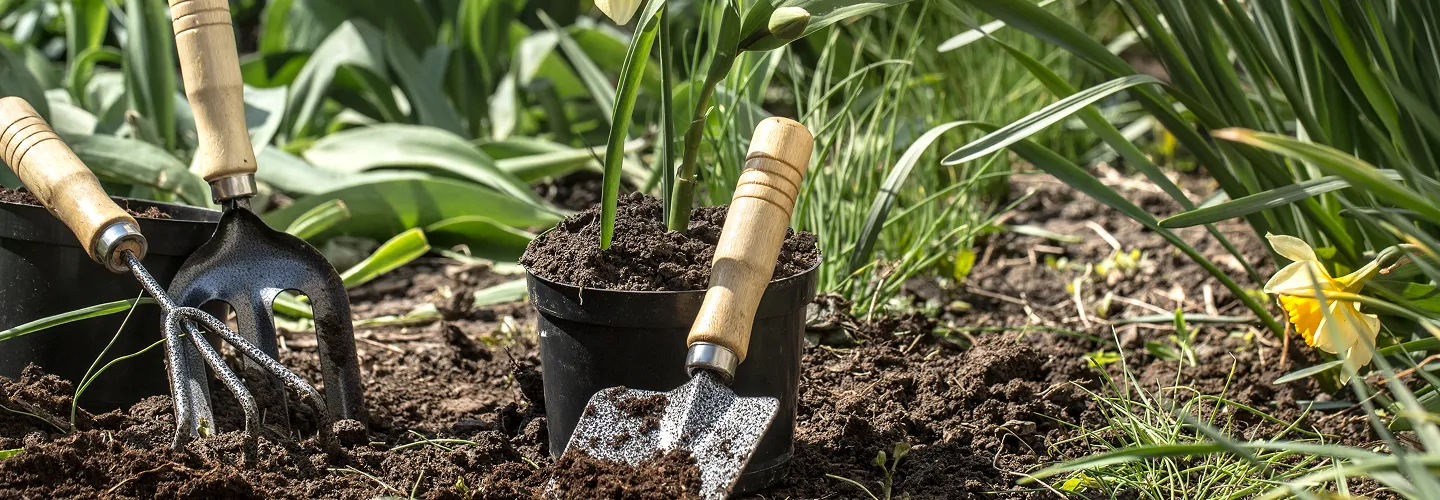
Waynesboro Fertilizing Lawn Services
Choose our Fertilizing Lawn service for lush, healthy grass that thrives all season—our expert care ensures your yard gets the nutrients it needs for vibrant color, resilience, and curb appeal.
Get a Free QuoteOur Waynesboro Landscaping & Yard Care Services
When to Schedule Fertilizing Lawn in Waynesboro, Georgia – Seasonal Guide
Fertilizing your lawn in Waynesboro, Georgia, requires careful timing to ensure lush, healthy grass throughout the year. The best periods for fertilization are typically early spring and early fall, when soil temperatures are moderate and grass is actively growing. In neighborhoods like Burkehaven and near Magnolia Springs State Park, local soil tends to be sandy-loam, which drains quickly and may require more frequent nutrient replenishment. Waynesboro’s climate features hot, humid summers and mild winters, with the last frost usually occurring in late March. This makes late March to early April an ideal window for your first application, while a second round in September helps lawns recover from summer stress and prepare for winter dormancy.
Local environmental factors such as drought risk during July and August, shade coverage from mature oaks in areas like Liberty Street, and periodic heavy rainfall can all impact the effectiveness of fertilization. It’s also important to consider municipal guidelines and best practices for fertilizer use, which you can review on the official town website. By tailoring your fertilization schedule to Waynesboro’s unique landscape and weather patterns, you’ll promote a resilient, vibrant lawn that stands out in your neighborhood.
Local Factors to Consider for Fertilizing Lawn in Waynesboro
- Tree density and shade coverage, especially in older neighborhoods
- Soil type (sandy-loam is common, requiring specific nutrient blends)
- Average precipitation and risk of summer drought
- Frost dates (last frost in late March, first frost in November)
- Terrain and drainage, particularly near Magnolia Springs
- Municipal restrictions or recommendations on fertilizer use
Benefits of Fertilizing Lawn in Waynesboro
Healthier, Greener Lawns
Improved Weed Resistance
Enhanced Soil Nutrients
Stronger Root Development
Increased Lawn Durability
Expert Local Landscaping Service
Waynesboro Fertilizing Lawn Types

Cool-Season Grass Fertilization
-
Warm-Season Grass Fertilization
-
Organic Lawn Fertilization
-
Synthetic Fertilizer Application
-
Slow-Release Fertilizer Programs
-
Starter Fertilizer for New Lawns
-
Seasonal Fertilizer Treatments
Our Fertilizing Lawn Process
Soil Analysis
Fertilizer Selection
Application Scheduling
Even Fertilizer Distribution
Post-Application Inspection
Why Choose Waynesboro Landscape Services
Waynesboro Homeowners Trust Us
-
Comprehensive Lawn Maintenance
-
Reliable Seasonal Cleanups
-
Expert Tree and Shrub Care
-
Efficient Irrigation Solutions
-
Competitive Pricing
-
Professional and Courteous Team
-
Satisfaction Guarantee
Waynesboro's Sandy Coastal Plain Soils and Their Impact on Lawn Fertilization
Waynesboro sits in the upper Coastal Plain of Georgia, within USDA Hardiness Zone 8b, where sandy loam and loamy sand soils—primarily from the Norfolk, Orangeburg, and Dothan soil series—dominate the landscape. These soils are naturally acidic, often registering a pH between 4.8 and 5.8, and drain rapidly. While good drainage reduces waterlogging risk, it also means that applied nutrients leach quickly below the root zone, particularly nitrogen and potassium. Property owners should obtain a soil test through the UGA Cooperative Extension Burke County office before establishing a fertilization program. Key considerations for Waynesboro soils include:
- Low cation exchange capacity (CEC): Sandy soils hold fewer nutrients, requiring smaller, more frequent applications rather than single heavy doses.
- Lime requirements: Most Waynesboro lawns need periodic liming—typically 30 to 50 pounds of pelletized lime per 1,000 square feet—to raise pH into the 6.0–6.5 range preferred by warm-season turf.
- Organic matter deficiency: Incorporating compost or using slow-release fertilizer formulations helps improve nutrient retention in sandy profiles.
Soil test results from UGA Extension provide specific lime and nutrient recommendations calibrated to Georgia Coastal Plain conditions, and residents can verify local soil series data through the USDA Web Soil Survey.
Optimal Fertilization Timing for Waynesboro's Long Warm-Season Growth Period
Waynesboro's warm-season turf grasses—predominantly bermudagrass, centipedegrass, and zoysiagrass—have an active growing season that typically extends from mid-April through mid-October. Fertilization timing must align with this growth cycle to maximize nutrient uptake and minimize environmental loss. The National Weather Service Columbia, South Carolina, forecast office covers Burke County and provides frost date and temperature data useful for scheduling. Recommended timing guidelines include:
- First application: Apply after the last average frost date (approximately March 20–28 in Waynesboro) and once soil temperatures at a 4-inch depth consistently reach 65°F, typically by mid-to-late April.
- Mid-season applications: Space additional nitrogen applications every 6 to 8 weeks through August, using 0.5 to 1.0 pound of actual nitrogen per 1,000 square feet per application.
- Final application: Complete the last fertilization by mid-September to allow turf to harden off before the first average fall frost, generally around November 10–15.
- Centipedegrass exception: This low-input turf requires only 1 to 2 pounds of nitrogen per 1,000 square feet annually; over-fertilization causes thatch buildup and decline.
Avoid fertilizing dormant turf during winter months, as nutrients will not be absorbed and are subject to leaching or runoff during Waynesboro's winter rainfall events.
Protecting Brier Creek and Waynesboro's Drainage Infrastructure During Fertilizer Applications
Waynesboro is situated within the Brier Creek watershed, a significant tributary of the Savannah River, and the city's stormwater drainage system channels runoff directly into local creeks and ditches that feed this watershed. Fertilizer that enters storm drains, roadside ditches, or drainage swales contributes phosphorus and nitrogen to downstream water bodies, promoting algal growth and degrading water quality. The Georgia EPD Watershed Protection Branch oversees water quality standards that apply to these receiving waters, and the Clean Water Act establishes the federal framework for pollutant discharge prevention. Residents and lawn care providers in Waynesboro should follow these runoff-prevention practices:
- Buffer distance: Do not apply fertilizer within 10 to 15 feet of any ditch, creek bank, storm drain inlet, or drainage swale.
- Sweep hard surfaces: Immediately sweep or blow any granular fertilizer that lands on driveways, sidewalks, or streets back onto the lawn to prevent washoff.
- Check weather forecasts: Avoid application when rainfall exceeding 0.5 inches is expected within 24 hours.
- Use slow-release formulations: Slow-release or controlled-release nitrogen sources reduce the risk of nutrient leaching through Waynesboro's sandy soils into groundwater.
The Waynesboro Public Works Department manages the city's drainage systems and sanitation infrastructure. Property owners who observe fertilizer discharge into storm drains or notice drainage blockages should report conditions promptly.
Waynesboro Public Works Department
628 Myrick Street, Waynesboro, GA 30830
Phone: (706) 554-2159
Official Website: Waynesboro Public Works Department
How Georgia's Fertilizer Act and Licensing Requirements Affect Waynesboro Lawn Services
Georgia regulates the sale, distribution, and professional application of fertilizer products through the Georgia Fertilizer Act of 1997, administered by the Georgia Department of Agriculture – Fertilizer Division. This law requires that all fertilizer products sold or distributed in Georgia carry accurate labeling of guaranteed nutrient analysis, including nitrogen (N), phosphate (P₂O₅), and potash (K₂O) percentages. For Waynesboro property owners hiring professional lawn fertilization services, the following regulatory points are relevant:
- Product registration: All commercial fertilizer products used in Georgia must be registered with the Georgia Department of Agriculture before sale or distribution.
- Pesticide-fertilizer combinations: Products that combine fertilizer with herbicides or insecticides (such as "weed and feed") are also subject to the Georgia Pesticide Use and Application Act of 1976. Applicators using these combination products commercially must hold a valid Georgia pesticide applicator license, obtainable through the Georgia Department of Agriculture – Licensing, Certification and Employee Registration.
- Verification: Property owners should confirm that any hired lawn care provider can present a current Georgia commercial pesticide applicator license if applying regulated combination products.
These requirements protect consumers and the environment by ensuring accurate product content and qualified application practices throughout Burke County.
Waynesboro Code Enforcement and Property Maintenance Standards Related to Lawn Health
The City of Waynesboro enforces property maintenance standards through its Code Enforcement division, which addresses conditions such as overgrown vegetation, nuisance properties, and general property upkeep within city limits. While fertilization itself is not directly regulated by local ordinance, maintaining a healthy, well-fertilized lawn is one of the most effective strategies for meeting the city's community appearance standards and avoiding code violations related to weed overgrowth or bare, eroded turf areas. Relevant considerations include:
- Weed and overgrowth prevention: A properly fertilized lawn develops dense turf cover that suppresses weed encroachment, reducing the likelihood of complaints or citations for overgrown conditions.
- Erosion control: Bare or thin turf on sloped lots can lead to soil erosion onto sidewalks, streets, or neighboring properties—conditions that may trigger code enforcement review.
- Frontage and right-of-way: Property owners are generally responsible for maintaining turf in the right-of-way strip between the sidewalk and street, including fertilization and weed management.
Residents with questions about property maintenance expectations or potential violations should contact Waynesboro Code Enforcement directly. The Community Development Department also provides guidance on zoning and development-related property standards.
Waynesboro Code Enforcement
628 Myrick Street, Waynesboro, GA 30830
Phone: (706) 554-2159
Official Website: Waynesboro Code Enforcement
Waynesboro Community Development Department
628 Myrick Street, Waynesboro, GA 30830
Phone: (706) 554-2159
Official Website: Waynesboro Community Development Department
What Neighborhoods Do We Serve Throughout Waynesboro, GA?
- Downtown Waynesboro / Liberty Street Corridor: Older residential lots with mature shade trees and compacted soils that may require soil amendment and shade-tolerant fertilization strategies; proximity to municipal drainage infrastructure demands careful application near storm inlets.
- Burke County Estates Area: Larger suburban lots with open sun exposure and typical Norfolk sandy loam soils that benefit from split-application nitrogen programs and regular liming to correct low pH.
- Brier Creek Road Vicinity: Properties near Brier Creek and its tributaries require strict fertilizer buffer distances to protect riparian areas; sandy soils in this corridor are especially prone to nutrient leaching.
- Highway 25 South Residential Areas: Newer development with mixed fill soils and variable drainage; soil testing is particularly important here to establish baseline nutrient levels before beginning a fertilization program.
- Waynesboro City Park Neighborhood: Established residential streets adjacent to Waynesboro City Park with moderate tree canopy and well-drained soils; centipedegrass is common and requires conservative nitrogen rates to avoid decline.
- Perimeter Road / Industrial Boulevard Area: Properties along the city's northern edge with open lots and full sun exposure suited to bermudagrass; higher nitrogen demand during the May through August peak growth period.