
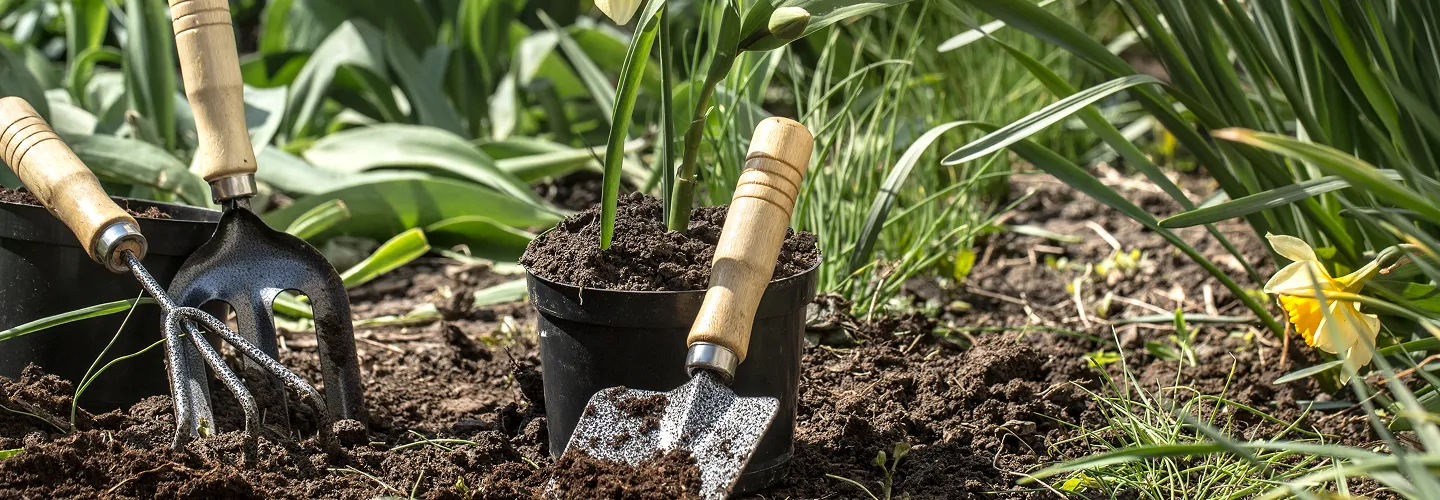
Waynesboro Flower Planting Services
Choose our Flower Planting services for expert design, healthy plants, and vibrant displays that enhance your home's beauty and curb appeal all season long.
Get a Free QuoteOur Waynesboro Landscaping & Yard Care Services
When to Schedule Flower Planting in Waynesboro, Georgia – Seasonal Guide
Flower planting in Waynesboro, Georgia, is best scheduled with careful attention to our region’s unique climate and landscape. The optimal planting windows typically fall in early spring, after the last frost date—usually late March to early April—or in early fall, when temperatures begin to cool but the soil remains warm. These periods allow new plantings to establish strong root systems before the extremes of summer heat or winter chill set in. Neighborhoods near Jones Lake and the historic downtown area often experience microclimates due to varying shade coverage and proximity to water, which can influence the best timing for planting.
Local environmental factors play a significant role in successful flower planting. Waynesboro’s humid subtropical climate brings high summer humidity and occasional drought risk, making soil preparation and plant selection crucial. Areas like Burkehaven and the vicinity of Magnolia Springs State Park may have heavier clay soils, requiring amendments for optimal drainage. It’s also important to consider municipal guidelines and local resources, such as those provided by the Waynesboro city website, to stay informed about any seasonal restrictions or recommendations.
Local Factors to Consider for Flower Planting in Waynesboro
- Proximity to mature trees and resulting shade coverage
- Soil type and drainage, especially in neighborhoods with clay-heavy terrain
- Average precipitation and drought risk during summer months
- Frost dates and temperature fluctuations in early spring and late fall
- Municipal restrictions or watering guidelines
- Terrain slope and risk of erosion in hilly areas
Benefits of Flower Planting in Waynesboro
Expert Local Knowledge
Customized Landscape Designs
Seasonal Plant Selection
Enhanced Curb Appeal
Eco-Friendly Practices
Reliable Maintenance Services
Waynesboro Flower Planting Types

Annual Flower Beds
Brighten your landscape with vibrant annuals that bloom throughout the season.
-
Perennial Gardens
Enjoy long-lasting beauty with hardy perennials that return year after year.
-
Native Plant Installations
Enhance sustainability with flowers adapted to the local Waynesboro environment.
-
Pollinator-Friendly Plantings
Support bees and butterflies with carefully selected flowering plants.
-
Shade Garden Flowers
Transform shaded areas with flowers that thrive in low-light conditions.
-
Container Flower Arrangements
Add color and flexibility with expertly designed container plantings.
-
Seasonal Bulb Planting
Create stunning displays with spring and fall blooming bulbs.
Our Flower Planting Process
Site Evaluation
Soil Preparation
Plant Selection
Careful Planting
Watering and Mulching
Why Choose Waynesboro Landscape Services
Waynesboro Homeowners Trust Us
-
Comprehensive Lawn Maintenance
-
Reliable Seasonal Cleanups
-
Expert Tree and Shrub Care
-
Efficient Irrigation Solutions
-
Competitive Pricing
-
Professional and Courteous Team
-
Satisfaction Guarantee
Waynesboro's Sandy Coastal Plain Soils and Their Impact on Flower Bed Preparation
Waynesboro sits within Georgia's upper Coastal Plain region, where soils are predominantly derived from the Dothan, Tifton, and Norfolk sandy loam series according to the USDA Web Soil Survey. These soils are characteristically sandy, acidic—often ranging from pH 4.5 to 5.8—and drain rapidly, which presents distinct challenges for flower planting. Nutrients leach quickly through the profile, and organic matter content tends to be low. Before installing annual or perennial flower beds, property owners should address these conditions through targeted soil amendments:
- Incorporate 3–4 inches of composted organic matter into the top 8–10 inches of planting beds to improve moisture retention and nutrient-holding capacity.
- Test soil pH through the Burke County office of UGA Cooperative Extension and apply pelletized lime if results fall below 5.5 for most ornamental species.
- Add slow-release granular fertilizer at planting to compensate for the rapid nutrient leaching common in sandy substrates.
- Mulch beds with 2–3 inches of pine straw or shredded hardwood to moderate soil temperature and reduce moisture evaporation during Waynesboro's long, hot summers.
Waynesboro falls within USDA Plant Hardiness Zone 8b, supporting a wide range of warm-season flowering plants but requiring attention to soil structure before installation.
Optimal Flower Planting Windows for Waynesboro's Extended Growing Season
Waynesboro's climate, characterized by mild winters and a growing season that often exceeds 240 days, allows for multiple planting cycles each year. However, timing installations correctly is essential for plant establishment and long-term performance. The National Weather Service data for the central Savannah River area indicates that the average last spring frost falls in mid-March and the first fall frost typically arrives in mid-November, providing a broad but heat-intensive window. Recommended planting schedules include:
- Cool-season annuals (pansies, violas, snapdragons): Install from late October through early November for winter and early spring color, and again in late February for spring display before summer heat arrives.
- Warm-season annuals (zinnias, lantana, pentas, vinca): Plant after the last frost date, typically mid-March through April, when soil temperatures consistently reach 65°F or above.
- Perennials (coneflower, black-eyed Susan, salvia, daylily): Establish in early spring (March–April) or early fall (September–October) to allow root development before temperature extremes.
- Bulbs (daffodils, amaryllis, gladiolus): Plant spring-blooming bulbs in November–December; summer-blooming varieties in March–April.
Avoid planting during peak summer heat in July and August, when soil temperatures can exceed 90°F and transplant shock rates increase significantly in Waynesboro's sandy, fast-draining soils.
Protecting Brier Creek Corridors and Waynesboro Drainage Features During Bed Installation
Waynesboro is situated within the Brier Creek watershed, a significant tributary of the Savannah River, and several smaller drainage ditches and low-lying areas run through residential and commercial zones within city limits. Flower planting projects near these features require careful attention to erosion control and runoff prevention to remain consistent with Georgia EPD Watershed Protection Branch guidelines and local stormwater management expectations. Property owners and contractors should observe the following precautions:
- Avoid disturbing soil within 25 feet of any drainage ditch, creek bank, or stormwater conveyance without verifying local buffer requirements through the Waynesboro Community Development Department.
- Use silt fencing or straw wattles around active planting areas where grading or soil amendment work could generate sediment-laden runoff during rain events.
- Do not apply granular fertilizer within 10 feet of storm drain inlets or open drainage channels; use slow-release formulations to minimize nutrient transport into waterways.
- Direct irrigation runoff away from impervious surfaces that connect to the city's stormwater system.
The Waynesboro Public Works Department oversees drainage infrastructure maintenance and can advise on proximity concerns for projects near city-maintained ditches or culverts.
Waynesboro Public Works Department
628 Myrick Street, Waynesboro, GA 30830
Phone: (706) 554-2159
Official Website: Waynesboro Public Works Department
How Waynesboro's Code Enforcement Standards Affect Frontage and Bed Maintenance
The City of Waynesboro enforces property maintenance standards through its Code Enforcement division, which addresses overgrown vegetation, nuisance conditions, and the general upkeep of visible frontage areas. Flower beds that are neglected—allowing invasive weeds, dead plant material, or overgrowth to accumulate—may trigger code compliance action. Property owners maintaining flower plantings along street frontages, sidewalks, or within public view should be aware of the following considerations:
- Maintain planted beds free of excessive weed growth and dead vegetation to remain in compliance with property maintenance standards.
- Ensure plantings do not obstruct sidewalks, sight triangles at intersections, or public right-of-way access. Flower beds near driveways and street corners should remain below 30 inches in height to preserve driver visibility.
- Remove spent annuals promptly at the end of each season and replace or mulch bare beds to prevent erosion and maintain a maintained appearance.
- Verify setback and right-of-way boundaries before installing raised beds or permanent edging along city streets; the Waynesboro Community Development Department can clarify property line locations relative to public easements.
Residents with questions about frontage standards or vegetation height limits should contact Code Enforcement directly.
Waynesboro Code Enforcement
628 Myrick Street, Waynesboro, GA 30830
Phone: (706) 554-2159
Official Website: Waynesboro Code Enforcement
Selecting Heat-Tolerant and Native Flower Species Suited to Waynesboro Landscapes
Plant selection is one of the most consequential decisions in any Waynesboro flower planting project. The combination of Zone 8b heat, high summer humidity, sandy acidic soils, and periodic drought conditions narrows the range of species that will perform reliably without excessive irrigation or chemical intervention. UGA Cooperative Extension recommends prioritizing Georgia-adapted and native species that tolerate these conditions. Recommended selections for Waynesboro include:
- Full-sun annuals: Lantana, vinca (Catharanthus roseus), pentas, zinnias, and celosia tolerate sustained temperatures above 90°F and perform well in sandy, well-drained beds.
- Shade-tolerant annuals: Impatiens (for sheltered locations), begonias, and caladiums are suitable under mature tree canopy common in older Waynesboro neighborhoods.
- Native perennials: Coreopsis (Georgia's state wildflower), purple coneflower (Echinacea purpurea), black-eyed Susan (Rudbeckia), and butterfly weed (Asclepias tuberosa) support pollinators and require minimal supplemental watering once established.
- Deer-resistant options: Lantana, salvia, rosemary, and ornamental grasses are advisable in areas near Waynesboro's wooded edges and rural-interface lots where deer browse pressure is common.
Avoid species with high water demands or sensitivity to acidic soils unless beds have been amended with lime and equipped with drip irrigation. Residents can consult the Burke County UGA Extension office for site-specific planting recommendations and soil test interpretation.
What Neighborhoods Do We Serve Throughout Waynesboro, GA?
- Downtown Waynesboro / Liberty Street Corridor: Older residential lots with mature shade trees, compacted soils from decades of development, and historic character that may influence bed design and plant height near sidewalks and public frontage areas.
- Burke County Estates Area: Larger suburban lots with open sun exposure and sandy Dothan-series soils that drain rapidly, requiring organic amendment and mulching for successful flower bed establishment.
- Waynesboro City Park Vicinity: Properties adjacent to Waynesboro City Park often feature mixed sun and shade conditions, with drainage patterns influenced by park greenspace and nearby stormwater infrastructure.
- Highway 25 / South Waynesboro Corridor: Commercial and residential frontage properties where code compliance visibility standards and right-of-way setbacks are particularly relevant for flower bed placement.
- North Waynesboro / Perimeter Road Area: Newer development with fill soils that may be compacted and nutrient-poor, requiring thorough bed preparation including deep tilling and compost incorporation before planting.
- Brier Creek Adjacent Properties: Low-lying lots near Brier Creek tributaries where drainage sensitivity, seasonal wet conditions, and erosion control measures must be factored into flower bed siting and soil grading.