
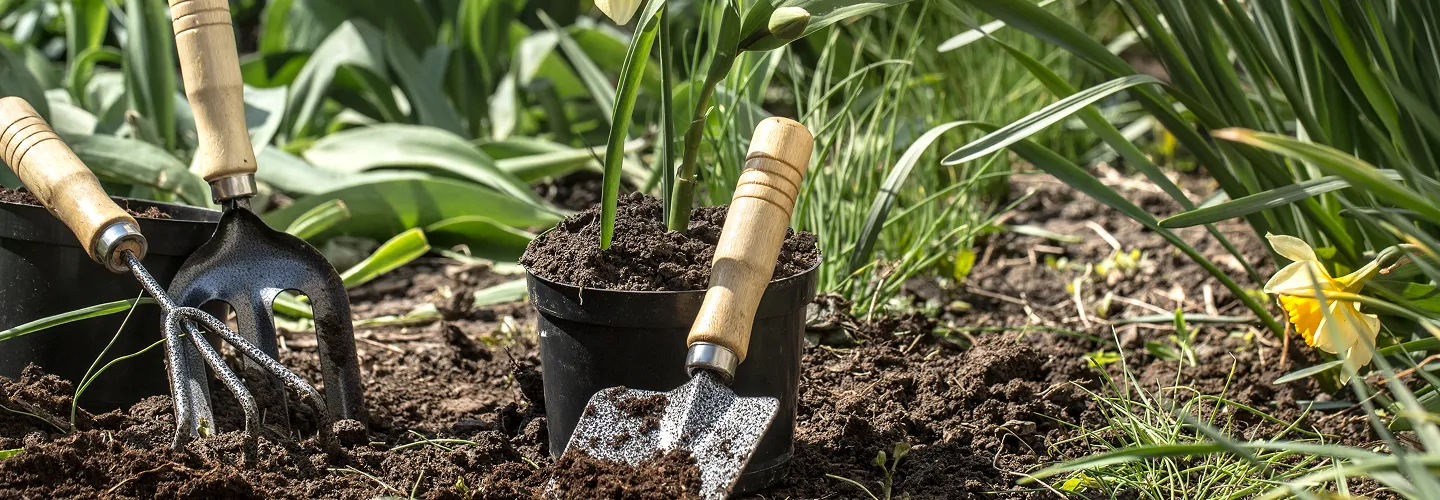
Waynesboro Lawn Leveling Services
Choose our professional lawn leveling services for a healthier, more beautiful yard—enjoy improved drainage, easier mowing, and a flawless outdoor space that enhances your home’s value and curb appeal.
Get a Free QuoteOur Waynesboro Landscaping & Yard Care Services
When to Schedule Lawn Leveling in Waynesboro, Georgia – Seasonal Guide
In Waynesboro, Georgia, the best time to schedule lawn leveling is typically during late spring or early fall, when temperatures are moderate and the soil retains optimal moisture. The region’s humid subtropical climate, with its warm summers and mild winters, means that soil conditions can vary significantly throughout the year. Homeowners in neighborhoods like Burkehaven and near Magnolia Springs State Park should be mindful of local frost dates—usually ending in early April and returning in late November—which can impact soil workability and grass recovery.
Local environmental factors such as the risk of summer drought, periods of high humidity, and the prevalence of clay-heavy soils all play a role in determining the ideal window for lawn leveling. Properties with dense shade from mature oaks or pecans, especially in areas like Liberty Street or near the Waynesboro Historic District, may require special consideration due to slower soil drying and increased moss growth. For more information on local regulations and best practices, consult the Waynesboro municipal resources.
Local Factors to Consider for Lawn Leveling in Waynesboro
- Tree density and shade coverage, which affect soil moisture and grass growth
- Terrain slope and drainage patterns, especially after heavy spring rains
- Average precipitation and risk of summer drought
- Soil composition, with many local lawns featuring compacted clay
- Municipal restrictions or guidelines on landscaping and water usage
Benefits of Lawn Leveling in Waynesboro

Enhanced Curb Appeal
Improved Lawn Health
Smoother Mowing Experience
Better Drainage Solutions
Increased Property Value
Professional and Reliable Service

Waynesboro Lawn Leveling Types

Topdressing Lawn Leveling
-
Sand Lawn Leveling
-
Soil Lawn Leveling
-
Power Raking Lawn Leveling
-
Manual Lawn Leveling
-
Laser-Guided Lawn Leveling
-
Sod Replacement Leveling
Our Lawn Leveling Process
Site Evaluation
Soil Preparation
Leveling Application
Compaction
Final Inspection
Why Choose Waynesboro Landscape Services
Waynesboro Homeowners Trust Us
-
Comprehensive Lawn Maintenance
-
Reliable Seasonal Cleanups
-
Expert Tree and Shrub Care
-
Efficient Irrigation Solutions
-
Competitive Pricing
-
Professional and Courteous Team
-
Satisfaction Guarantee
Addressing Soil Compaction and Drainage in Waynesboro Lawn Leveling Projects
Waynesboro’s soils are predominantly part of the Middle Georgia region, featuring a mix of sandy loam and clay-rich series such as the Orangeburg and Tifton soils, according to the USDA Web Soil Survey. These soils can present challenges for lawn leveling, including compaction, poor drainage, and variable pH. Residents should assess for low spots, standing water, and hardpan layers before beginning any leveling work. Key steps include:
- Testing soil compaction with a probe or screwdriver
- Amending clay-heavy areas with sand and organic matter
- Ensuring proper grading away from structures
- Avoiding fill placement within 25 feet of streams or wetlands For technical guidance, consult UGA Cooperative Extension for soil testing and amendment recommendations. Always verify that grading does not alter natural drainage patterns or encroach on protected buffers.
Waynesboro Public Works Department
352 6th Street, Waynesboro, GA 30830
Phone: (706) 554-8037
Official Website: Waynesboro Public Works Department
Navigating Waynesboro’s Permit and Code Requirements for Lawn Leveling
Lawn leveling in Waynesboro may require review under city ordinances, especially if significant grading, fill, or drainage changes are involved. The Waynesboro Code Enforcement office enforces property maintenance and nuisance codes, while the Building Permits Department oversees construction approvals. Residents and property managers should:
- Confirm if a grading or fill permit is needed for projects exceeding minor surface work
- Avoid altering drainage in a way that impacts neighboring properties or public rights-of-way
- Maintain required setbacks from property lines and city easements
- Ensure compliance with erosion and sediment control standards Permit thresholds and review timelines may vary; always verify current requirements before starting work. Code enforcement may inspect for compliance during or after project completion.
Waynesboro Code Enforcement
628 Myrick Street, Waynesboro, GA 30830
Phone: (706) 554-8037
Official Website: Waynesboro Code Enforcement
Environmental Protection and Stormwater Compliance in Waynesboro Lawn Leveling
Lawn leveling activities in Waynesboro must be conducted with attention to stormwater management and watershed protection. The city is home to several creeks and drainage corridors, and improper grading can increase runoff, erosion, and sedimentation into local waterways. To comply with Georgia EPD and EPA Region 4 standards, residents should:
- Install silt fences or straw wattles on slopes or near ditches
- Avoid depositing soil or debris in storm drains or drainage ditches
- Maintain vegetative buffers along creeks and wetlands
- Schedule work during dry weather to minimize erosion risk
- Restore turf cover promptly after leveling These practices help protect water quality and reduce the risk of code violations or environmental penalties. For additional guidance, refer to Georgia Water Quality Standards.
Optimal Timing and Methods for Lawn Leveling in Waynesboro’s Climate
Waynesboro is located in USDA Hardiness Zone 8a, with a long growing season, hot summers, and mild winters. The best time for lawn leveling is late spring through early summer, when warm-season grasses such as bermudagrass and zoysiagrass are actively growing. Key timing and method recommendations include:
- Level lawns between April and June for optimal turf recovery
- Use a mix of sand and screened topsoil for filling low spots
- Apply no more than 0.5 inch of material per application to avoid smothering grass
- Water thoroughly after each leveling pass
- Monitor for signs of stress or disease during hot, humid periods Consult National Weather Service forecasts to avoid heavy rain events during leveling. For turf-specific advice, see UGA Cooperative Extension.
What Neighborhoods Do We Serve Throughout Waynesboro, GA?
- Liberty Park: Features established lawns with mature trees and moderate clay content, requiring careful grading to avoid root disturbance and compaction.
- Magnolia Acres: Newer subdivision with fill soils and some drainage challenges; attention to proper slope and runoff control is essential.
- Pine Needle Estates: Larger lots with sandy loam soils and open exposures, making them suitable for mechanical leveling but requiring erosion precautions.
- Downtown Historic District: Older properties with compacted soils and narrow access; hand tools and minimal fill are often necessary to protect historic landscaping.
- Quaker Road Corridor: Proximity to creeks and drainage ditches means strict adherence to buffer zones and sediment control is required.
- Burkehaven: Mix of wooded and open lots, with variable soil types and occasional wet pockets; site-specific assessment is recommended for each property.