
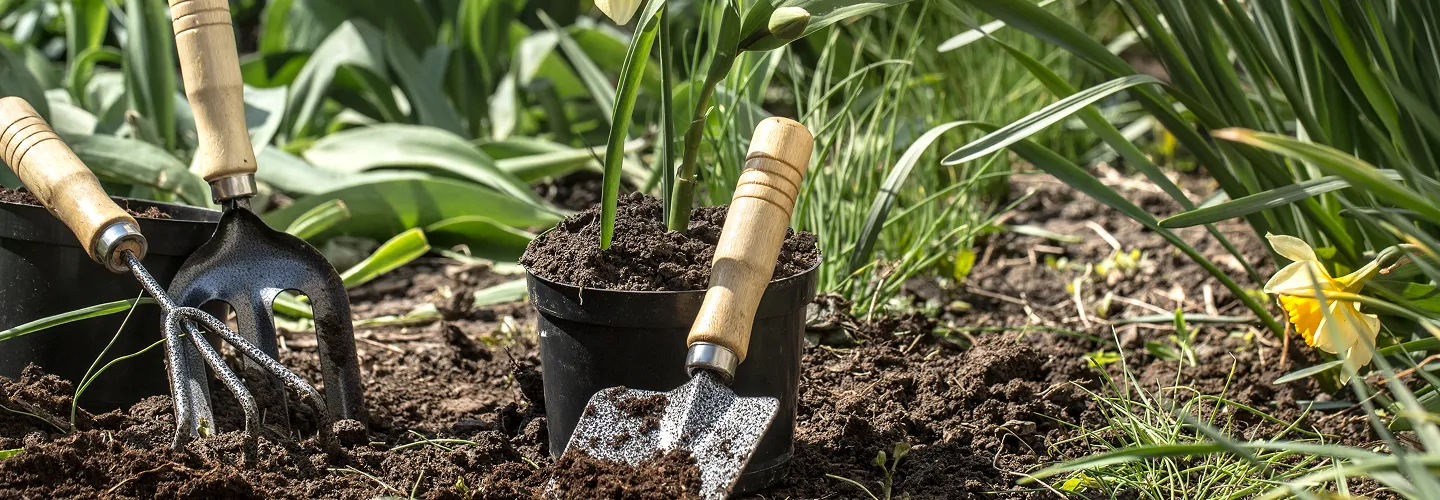
Waynesboro Flower Bed Maintenance Services
Choose our Flower Bed Maintenance for expert care, healthy blooms, and a beautiful landscape that enhances your home's curb appeal year-round.
Get a Free QuoteOur Waynesboro Landscaping & Yard Care Services
When to Schedule Flower Bed Maintenance in Waynesboro, Georgia – Seasonal Guide
In Waynesboro, Georgia, the timing of flower bed maintenance is closely tied to our unique climate and local landscape features. With mild winters and hot, humid summers, the best periods for comprehensive flower bed care are early spring and late fall. These windows allow for soil preparation, mulching, and planting before the intense summer heat or winter chill sets in. Local neighborhoods like Burkehaven and areas near Magnolia Springs State Park often experience microclimates, so it’s important to consider your specific location when planning maintenance.
Waynesboro’s average last frost date typically falls in late March, making early April ideal for spring clean-up and planting. Summer brings high humidity and occasional drought risk, especially in shaded yards or those with dense tree coverage. Soil types in the region range from sandy loam to clay, affecting drainage and nutrient retention. For more information on local environmental factors, visit the Waynesboro community resource.
Local Factors to Consider for Flower Bed Maintenance in Waynesboro
- Tree density and shade coverage, especially in neighborhoods like Pine Hill
- Soil type (sandy, loamy, or clay) and drainage capacity
- Average precipitation and drought risk during summer months
- Proximity to landmarks such as Magnolia Springs State Park, which can influence microclimates
- Municipal restrictions or watering schedules
- Terrain slope and risk of erosion after heavy rains
Benefits of Flower Bed Maintenance in Waynesboro
Enhanced Curb Appeal
Weed and Pest Prevention
Healthier Plant Growth
Seasonal Color Management
Professional Landscaping Expertise
Time and Effort Savings
Waynesboro Flower Bed Maintenance Types

Seasonal Flower Planting
-
Weed Control Services
-
Mulching and Soil Conditioning
-
Pruning and Deadheading
-
Fertilization Programs
-
Pest and Disease Management
-
Edging and Bed Redefining
Our Flower Bed Maintenance Process
Site Evaluation
Weed Removal
Soil Preparation
Plant Care
Mulching
Why Choose Waynesboro Landscape Services
Waynesboro Homeowners Trust Us
-
Comprehensive Lawn Maintenance
-
Reliable Seasonal Cleanups
-
Expert Tree and Shrub Care
-
Efficient Irrigation Solutions
-
Competitive Pricing
-
Professional and Courteous Team
-
Satisfaction Guarantee
Soil Series and Drainage Considerations for Flower Beds in Waynesboro
Waynesboro’s flower bed maintenance is shaped by its location in Georgia’s Upper Coastal Plain, where soils such as the Dothan, Tifton, and Orangeburg series predominate. These soils are typically sandy loam to loamy sand, moderately acidic, and well-drained, but may have compacted layers or low organic matter in developed areas. Proper bed preparation should include soil testing (available through UGA Cooperative Extension), pH adjustment, and the addition of organic matter to improve structure and water retention. Residents should avoid overwatering, as sandy soils can leach nutrients quickly. Key steps include:
- Conducting a soil test before planting
- Amending with compost or pine bark to increase organic content
- Monitoring for drainage issues, especially after heavy rainfall
- Mulching to conserve moisture and suppress weeds
Seasonal Timing and Plant Selection for Waynesboro Flower Beds
Waynesboro falls within USDA Hardiness Zone 8a, supporting a long growing season and a wide range of annuals and perennials. Optimal planting windows for most bedding plants are late March through early May and again in September for cool-season varieties. When selecting plants, consider:
- Heat and drought tolerance for summer months
- Shade or sun exposure based on bed location
- Native or adapted species to reduce maintenance and water needs
- Deer and wildlife pressure, especially near wooded corridors Consult UGA Cooperative Extension for regionally appropriate plant lists and maintenance calendars. Regular deadheading, mulching, and irrigation checks are recommended throughout the season to maintain healthy beds.
Yard Waste and Green Debris Disposal Protocols in Waynesboro
Proper disposal of flower bed trimmings, weeds, and mulch is essential for compliance with city sanitation and environmental standards. The Waynesboro Public Works Department manages collection of yard waste, which should be separated from household trash and placed curbside in biodegradable bags or bundled according to city guidelines. Residents should:
- Place yard waste at the curb on designated collection days
- Avoid blocking storm drains or sidewalks
- Bundle branches and trimmings to city-specified lengths (verify current requirements)
- Never dispose of yard waste in creeks, ditches, or wetlands Improper disposal can contribute to stormwater pollution and code violations.
Waynesboro Public Works Department
614 Myrick Street, Waynesboro, GA 30830
Phone: (706) 554-8037
Official Website: Waynesboro Public Works Department(https://www.waynesboroga.com/200/Public-Works)
Stormwater Protection and Environmental Compliance for Flower Bed Maintenance
Flower bed maintenance in Waynesboro must account for local stormwater management and watershed protection. The city’s drainage system directs runoff to nearby creeks and wetlands, making it critical to prevent soil erosion, fertilizer runoff, and pesticide drift. Residents and property managers should:
- Maintain buffer zones near streams and drainage ditches
- Use slow-release or organic fertilizers to minimize leaching
- Apply mulch to reduce erosion and runoff
- Follow Georgia EPD guidelines for chemical use and water quality protection
- Avoid applying chemicals before heavy rain events Compliance with the Clean Water Act and local ordinances helps protect Waynesboro’s water resources and reduces the risk of enforcement actions.
Code Enforcement and Property Maintenance Standards in Waynesboro
Waynesboro enforces property maintenance standards that include the upkeep of flower beds and landscaped areas. Overgrown, weedy, or neglected beds may be subject to code enforcement action, particularly in visible frontages or near public rights-of-way. Key compliance steps include:
- Regular removal of weeds and invasive species
- Maintaining clear sightlines at intersections and driveways
- Ensuring mulch and soil do not spill onto sidewalks or streets
- Adhering to any height or setback requirements for plantings (verify with city code) For questions about local ordinances or to report concerns, contact the city’s code enforcement office.
Waynesboro Code Enforcement
628 Myrick Street, Waynesboro, GA 30830
Phone: (706) 554-8037
Official Website: Waynesboro Code Enforcement(https://www.waynesboroga.com/165/Code-Enforcement)
What Neighborhoods Do We Serve Throughout Waynesboro, GA?
- Liberty Park: Features newer subdivisions with sandy loam soils and moderate drainage, requiring regular mulching and soil amendment for flower beds.
- Magnolia Acres: Characterized by mature tree canopy and shaded lots, which influence plant selection and increase leaf litter management needs.
- Burkehaven: Contains older homes with compacted soils and established landscaping, where soil aeration and organic matter addition are often necessary.
- Pine Needle Estates: Located near wooded corridors, this area faces deer pressure and requires careful plant selection and wildlife deterrence strategies.
- Downtown Waynesboro: Historic district with smaller lots and high visibility, emphasizing code compliance and regular maintenance of public-facing beds.
- Quaker Road Area: Includes properties near drainage ditches and low-lying spots, where runoff control and erosion prevention are critical for flower bed health.